Author name: Saniyya Sideeque

Uncategorized

How to Get Your First Client as a Freelance Digital Marketer: A Complete Beginner’s Guide

Starting a freelance digital marketing career can be exciting, especially when you want to turn your skills into a source of income. However, one of the biggest challenges for beginners is finding their first client. You may have learned social media marketing, SEO, content creation, graphic design, or paid advertising, but you might still wonder how to find businesses that are willing to work with you. The truth is that you don’t need years of experience, hundreds of followers, or an expensive office to get started. What you need is a clear service offering, a professional portfolio, effective communication, and the willingness to approach potential clients. In this guide, you’ll learn how to get your first client as a freelance digital marketer, build trust with businesses, showcase your skills, and take practical steps toward developing a successful freelance career. What Is Freelance Digital Marketing? Freelance digital marketing means providing online marketing services to businesses or individuals on a project, contract, or monthly basis without being a permanent employee of one company. As a freelance digital marketer, you can help businesses improve their online visibility, attract potential customers, promote their products, and build stronger relationships with their audiences. Some common freelance digital marketing services include: You don’t have to offer every service at the beginning. Start with the areas in which you have practical skills, and expand your services as you gain experience. Why Is Getting Your First Client So Difficult? Finding your first client can feel difficult because businesses often want proof that you can deliver useful work. As a beginner, you may not have client testimonials, professional case studies, or a long list of completed projects. You might also struggle to decide what to charge, how to approach business owners, or what to say in your first message. These challenges are normal. Instead of viewing your lack of experience as a permanent disadvantage, focus on building evidence of your abilities. A sample project, a well-organized portfolio, and a thoughtful recommendation can help demonstrate your potential. Your first goal is not to convince every business to hire you. It is to find a business whose needs match your skills. 1. Choose a Specific Digital Marketing Service Before looking for clients, identify exactly what you can offer. When you describe yourself as someone who does everything in digital marketing, potential clients may find it difficult to understand your main strengths. Start by choosing two or three related services that you can confidently deliver. For example, you could focus on social media management, content creation, and graphic design. Alternatively, you could specialize in SEO, keyword research, and website optimization. Ask yourself three questions: Your answers will help you define your services and communicate your value clearly. For example, instead of saying, “I provide digital marketing services,” you could say, “I help small businesses improve their Instagram presence through content planning, creative designs, and consistent social media management.” This statement explains your target audience, your service, and the value you aim to provide. 2. Build a Professional Portfolio Even Without Clients A portfolio is one of the most useful tools for a beginner. It allows potential clients to see your skills instead of relying only on your claims. You do not need to wait until someone hires you to create one. You can prepare sample projects that demonstrate how you approach real marketing problems. Your portfolio can include: For example, imagine you want to work with a local clothing boutique. You could create five sample Instagram posts, write engaging captions, and prepare a one-week content calendar for a fictional boutique or a clearly labelled concept project. This demonstrates your creativity, planning ability, and understanding of business communication. Important: Clearly identify practice projects as samples. Never present fictional projects, invented testimonials, or unverified performance figures as real client results. 3. Create Your Own Website and Online Presence Your own website can work as a digital portfolio and a place where potential clients learn about your services. A professional website should explain who you are, what you offer, whom you help, and how people can contact you. Consider including these pages: Home: Introduce your services and explain how you help businesses. About Me: Share your background, interests, skills, and approach to digital marketing. Services: Describe each service, the deliverables, and the types of businesses it suits. Blog: Publish useful articles about SEO, social media marketing, content creation, and online business growth. Portfolio: Display sample designs, website work, content plans, and other relevant projects. Contact: Provide a simple way for interested businesses to reach you. Your website can also support your SEO efforts. For example, if you serve clients in Perinthalmanna, you can create useful content related to digital marketing for local businesses. Use location keywords naturally and make sure your content provides genuine value rather than repeating keywords unnecessarily. 4. Use Instagram and LinkedIn to Find Potential Clients Social media is not just a place to promote your services. It can also help you build professional relationships and demonstrate your knowledge. Instagram Instagram can be especially useful when approaching visual businesses such as boutiques, salons, cafés, restaurants, and home-based product sellers. To build a professional presence: For example, a post titled “Three Instagram Mistakes That May Be Hurting Your Business” can attract business owners who are interested in improving their social media presence. LinkedIn LinkedIn can help you connect with founders, entrepreneurs, marketing professionals, agency owners, and recruiters. Keep your profile updated with a clear headline, a professional introduction, your skills, and examples of your work. Share what you are learning, discuss practical marketing concepts, and publish portfolio projects. You can also engage thoughtfully with posts from businesses and professionals you want to connect with. You do not need a large following to begin networking. Consistent, useful participation can help people understand your interests and expertise. 5. Find Clients Through Local Networking Your first client may come from a business in your own community. Local businesses sometimes need help improving their online presence but […]
Uncategorized

How to Rank Your Website on Google Without Paid Ads: 7 Proven Tips

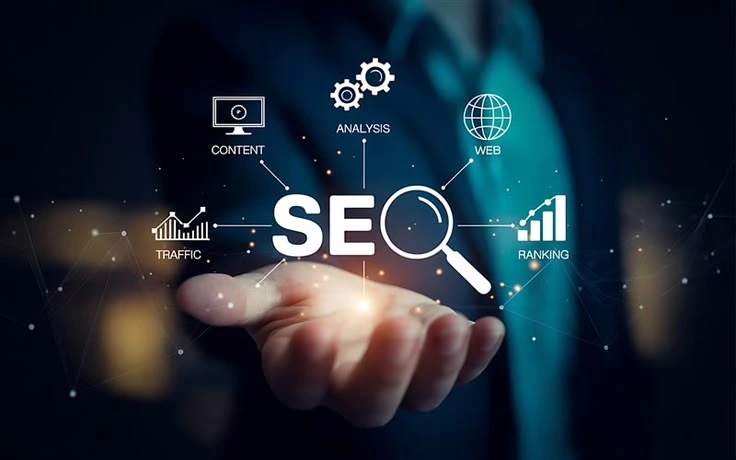
How to Rank Your Website on Google Without Paid Ads: 7 Proven Tips Introduction Do you want your website to appear on Google without spending money on advertisements? Whether you are a blogger, freelancer, or small business owner, getting your website discovered online can help you attract potential customers and build your brand. The good news is that you can work towards better visibility through organic SEO, without paying for Google Ads. However, ranking on Google takes time, consistent effort, and a strategy focused on providing useful content. Understanding how to rank your website on Google without paid ads can help you attract relevant visitors, improve your online presence, and create long-term opportunities for business growth. In this blog, we will explore seven practical SEO strategies to help improve your website’s chances of appearing in Google’s organic search results. What Is Organic SEO? Organic SEO, or Search Engine Optimisation, is the process of improving a website’s visibility in unpaid search results. Instead of paying for advertising placements, you optimise your website’s content, structure, and technical performance to help search engines understand your pages and connect them with relevant searches. Organic SEO includes keyword research, helpful content creation, on-page optimisation, internal linking, technical SEO, and other activities. Although you do not pay Google for organic rankings, SEO may still require an investment of time, tools, content creation, or professional services. No strategy can guarantee a first-page position. 1. Find the Right Keywords Keyword research is one of the first steps in an effective SEO strategy. It helps you understand what your target audience searches for on Google. Choosing relevant keywords allows you to create content that matches users’ needs and interests. For example, if you offer digital marketing services in Malappuram, relevant keywords might include: How to find suitable keywords Focus on search intent, which means understanding what users want when they search for a particular phrase. For example, someone searching for “what is SEO” likely wants an explanation, while someone searching for “SEO services in Malappuram” may be looking for a service provider. 2. Create High-Quality, Helpful Content Content is an important part of SEO because it helps answer users’ questions and provides information about your products, services, or expertise. Publishing many blog posts does not automatically improve rankings. Your content should be relevant, useful, accurate, and written for your intended audience. Tips for creating SEO-friendly content For example, a digital marketing website could publish articles about local SEO, Google Business Profile optimisation, Instagram marketing, and keyword research. Useful content can help attract relevant visitors and establish your website as a helpful resource. 3. Optimise Your On-Page SEO On-page SEO involves improving individual webpages so search engines and visitors can better understand their content. Even useful content can be difficult to discover if the page is poorly structured or does not clearly communicate its topic. Important on-page SEO elements SEO title: Write a unique, descriptive title that explains the page topic and includes your main keyword naturally. Meta description: Create a concise summary that explains what readers can expect from the page. Headings: Use a clear H1 heading and organise sections with relevant H2 and H3 headings. URL slug: Use a short, readable URL that reflects the page topic. Image alt text: Describe meaningful images accurately to support accessibility and help search engines understand them. Internal links: Link to related pages on your website when doing so helps readers. For example, if your blog discusses organic SEO, you can link to another article explaining common SEO mistakes or local SEO strategies. Avoid stuffing keywords into every heading or paragraph. Clarity and usefulness matter more than repetition. 4. Make Your Website Mobile-Friendly Many users access websites through smartphones, so your website should be easy to use on smaller screens. Google primarily uses the mobile version of a website’s content for indexing. If important content is missing or difficult to access on mobile, it may create problems for both users and search engines. How to improve mobile usability If you use WordPress, choose a mobile-responsive theme and check how your pages appear on both desktop and mobile devices. A smooth mobile experience helps visitors access your content more easily. 5. Improve Website Speed and Technical SEO Your website needs to be accessible to search engines, and visitors should be able to load and use its pages without unnecessary delays. Technical problems can affect crawling, indexing, and usability. Slow-loading pages can also frustrate visitors. Practical ways to improve your website You can also use Google Search Console to inspect URLs, monitor indexing, and identify certain website issues. Submitting an XML sitemap can help Google discover important URLs, but it does not guarantee that every page will be indexed. 6. Build Internal Links and Relevant Backlinks Links help users navigate the web and can help search engines discover and understand your content. There are two important types of links to consider. Internal links Internal links connect pages within your own website. For example, a blog about keyword research can link to your article about on-page SEO. This helps readers explore related topics and makes your website easier to navigate. Backlinks Backlinks are links from other websites to your website. Relevant, trustworthy backlinks can help Google understand your pages’ prominence. You can work towards earning backlinks by: Avoid buying links intended to manipulate rankings or participating in link schemes. Focus on earning relevant links naturally rather than collecting as many links as possible. 7. Use Local SEO to Attract Nearby Customers If your business serves a particular area, local SEO can help you connect with people searching for nearby products and services. For example, a digital marketer in Perinthalmanna may want to reach business owners in Malappuram and nearby locations. Local SEO strategies Google’s local search results are influenced by relevance, distance, and prominence. You cannot guarantee a particular local ranking simply by adding a location keyword to your website. For businesses that serve customers locally, combining website SEO with a well-maintained Google Business […]

Uncategorized

10 Common SEO Mistakes That Hurt Your Google Rankings: Powerful Fixes

Introduction Common SEO Mistakes That Hurt Your Google Rankings. Have you created a website, published blog posts, and optimised your pages but still struggle to get traffic from Google? The problem might not be your website itself. Sometimes, small SEO mistakes can prevent search engines and users from getting the most value from your content. Common SEO mistakes can affect your website’s visibility, user experience, and ability to attract relevant visitors. From targeting the wrong keywords to ignoring mobile optimisation, these problems can limit your SEO results. Whether you are a beginner, blogger, or small business owner, understanding these mistakes can help you build a stronger SEO strategy. In this blog, let’s explore 10 common SEO mistakes and practical ways to fix them. What Is SEO and Why Does It Matter? Search Engine Optimisation (SEO) is the process of improving a website so that search engines can understand its content and users can discover useful information through organic search results. SEO involves keyword research, helpful content, technical improvements, internal linking, website performance, and other activities that support search visibility. A well-planned SEO strategy can help businesses attract relevant visitors, build online visibility, and create opportunities for enquiries and sales. 1. Targeting the Wrong Keywords Keyword research is one of the foundations of SEO. Choosing keywords that do not match your audience’s needs can attract irrelevant visitors or make it difficult to compete in search results. For example, a small digital marketing agency might target a broad keyword such as “marketing” instead of a more relevant phrase such as “digital marketing services in Malappuram.” How to fix it The goal is not simply to attract more traffic but to attract people who are genuinely interested in what you offer. 2. Keyword Stuffing Keyword stuffing means repeating the same keyword unnaturally throughout a page in an attempt to influence search rankings. For example, writing “best digital marketer in Malappuram” in every paragraph can make your content repetitive and difficult to read. How to fix it Use your primary keyword naturally in relevant places, such as the page title, introduction, main heading where appropriate, and URL. Include related terms only when they help explain the topic. Write for people first. Search engines are designed to understand the meaning and relevance of content, so unnecessary repetition is not a reliable ranking strategy. 3. Publishing Low-Quality or Unhelpful Content Content that is thin, repetitive, outdated, or fails to answer the reader’s question may provide little value. Simply publishing many blog posts does not guarantee better rankings. Each page should have a clear purpose and satisfy the reader’s needs. How to fix it Before publishing, ask yourself: Does this article genuinely help my target audience? 4. Ignoring Title Tags and Meta Descriptions Title tags help communicate the topic of a webpage to search engines and users. Meta descriptions provide a summary that may appear in search results. Missing, duplicated, vague, or misleading titles and descriptions can make it harder for users to understand what a page offers. How to fix it Create a unique, descriptive SEO title for every important page. Include the main topic naturally and keep the title relevant to the page content. Write a concise meta description that explains the page’s value and encourages relevant users to click. For example: SEO title: 10 Common SEO Mistakes and How to Fix Them Meta description: Discover common SEO mistakes that hurt your Google rankings and learn practical ways to improve website visibility and organic traffic. Google may generate a different title link or search snippet depending on the query and page content, so your chosen text is not guaranteed to appear exactly as written. 5. Neglecting Mobile-Friendliness Many people browse websites on smartphones. If your website is difficult to use on a smaller screen, visitors may struggle to read content, navigate menus, or complete enquiries. Google primarily uses the mobile version of a website’s content for indexing. How to fix it A mobile-friendly website supports a better user experience and helps ensure Google can access the content you want indexed. 6. Having Slow-Loading Pages A slow website can frustrate visitors and make it harder for them to access your content. Performance can also contribute to the overall page experience Google evaluates. Common causes include oversized images, unnecessary scripts, poor hosting, and inefficient website code. How to fix it Pay particular attention to Core Web Vitals, which measure loading performance, responsiveness, and visual stability. Improving speed can make your website more usable, although faster loading alone does not guarantee higher rankings. 7. Ignoring Internal Linking Internal links connect one page on your website to another. They help visitors discover related information and help search engines understand the relationships between your pages. Without useful internal links, important pages may be harder for users and search engines to discover. How to fix it Link related blog posts and service pages using descriptive anchor text. For example, in a blog about SEO mistakes, you could link to another article about local SEO or keyword research. Make sure your links: A thoughtful internal linking structure makes your website easier to navigate. 8. Ignoring Technical SEO Technical SEO helps search engines crawl, render, and index your website correctly. Problems such as accidental noindex directives, broken pages, incorrect canonical tags, or blocked resources can prevent important content from appearing in search results. How to fix it Remember that submitting a sitemap does not guarantee indexing. Google decides which pages to index based on multiple factors. 9. Neglecting Local SEO Local SEO is important for businesses that serve customers in specific locations. If your business depends on local customers but provides little accurate location information online, you may miss relevant search opportunities. For example, a service provider in Perinthalmanna may benefit from clearly explaining its services and the locations it genuinely serves. How to fix it Avoid fake addresses, fabricated reviews, and unnatural location keyword repetition. Local SEO works best when it accurately represents your business. 10. Not Tracking SEO Performance Without […]

Uncategorized

How to Get More Customers Through Instagram Marketing: 7 Powerful Tips

Introduction Get More Customers Through Instagram Marketing. Are you posting regularly on Instagram but still struggling to get customers? You’re not alone. Many businesses share photos, reels, and stories every day but find it difficult to turn followers into paying customers. Instagram is more than a platform for sharing pictures. When used strategically, it can help businesses showcase their products, build customer trust, reach potential buyers, and generate enquiries. Instagram marketing for small businesses is an effective way to build an online presence and connect with the right audience. Whether you run a boutique, salon, restaurant, online store, or service-based business, the right Instagram strategy can help you attract more customers and grow your brand. In this blog, let’s explore seven powerful Instagram marketing strategies that can help turn your audience into customers. 1. Optimise Your Instagram Business Profile Your Instagram profile is often the first impression potential customers have of your business. A clear and professional profile helps visitors understand what you offer and how to contact you. To optimise your profile: For example, a boutique in Malappuram could write a bio that highlights its clothing collections, location, and ordering options. A well-optimised profile makes it easier for potential customers to take the next step. 2. Create Content Your Target Audience Wants Posting content just to stay active is not enough. Your content should answer customer questions, solve problems, demonstrate value, or inspire people to explore your products and services. Try these content ideas: For example, a digital marketer can share SEO tips, Instagram growth strategies, and examples of how businesses can improve their online presence. When your content is useful and relevant, people have more reasons to follow your account, engage with your posts, and consider your services. 3. Use Instagram Reels to Reach More People Instagram Reels can help businesses introduce their products and services to people who do not already follow them. Create short, engaging videos that capture attention quickly and provide value. Here are some Reel ideas: Start with a clear opening that gives viewers a reason to keep watching. Use readable text, good lighting, clear audio, and a simple message. Avoid focusing only on views. Reach is useful, but enquiries, profile visits, website clicks, and sales are also important indicators of business growth. 4. Use Instagram Stories to Build Customer Relationships Instagram Stories help businesses communicate with followers through informal, timely content. Use Stories to share new arrivals, answer questions, announce offers, show your daily activities, and highlight customer feedback. You can also use interactive features such as polls, question stickers, and quizzes when they suit your audience. For example, a clothing store could ask followers which colour they prefer for a new collection. Their responses can help the business understand customer interests. Consistent, useful Stories keep your business visible to your existing audience and create opportunities for conversations that may lead to sales. 5. Use Hashtags and Location Tags Strategically Relevant hashtags and location tags can help provide context about your content and business. If you serve customers in Malappuram, you could use relevant location tags and hashtags such as: Choose hashtags that genuinely relate to your content. Avoid using unrelated or excessive hashtags simply to attract attention. Add a location tag when it is relevant, especially if your business serves a particular town or neighbourhood. Remember that hashtags and location tags do not guarantee reach or sales. They work best as part of a broader content strategy. 6. Build Trust Through Engagement and Social Proof Customers are more likely to consider a business when they understand its products, services, and reputation. Build trust by communicating consistently and showing genuine evidence of the value you provide. Here are some practical ways to do this: Avoid fake testimonials, misleading claims, or engagement tactics that do not reflect genuine customer interest. Trust takes time to build, but it can make a meaningful difference when a potential customer is deciding whether to buy from you. 7. Use Instagram Ads to Reach Potential Customers Organic content helps you build an audience, while paid advertising can help you reach selected audiences based on available targeting options. Instagram ads can be useful for promoting products, generating enquiries, increasing website visits, and introducing your business to potential customers. Before running an advertising campaign: For example, a salon could promote a specific service to a relevant local audience, while an online store could direct interested shoppers to its product pages. Start with a clear objective rather than spending money simply to increase likes or followers. Measure the cost of enquiries and sales wherever possible. How to Turn Instagram Followers into Customers Attracting followers is only one part of Instagram marketing. You also need to make it easy for interested people to become customers. Follow this simple process: Attract attention: Publish helpful Reels, engaging posts, and relevant content. Build interest: Explain your products or services, answer questions, and show genuine customer experiences. Create trust: Keep your information accurate, respond to enquiries, and communicate clearly. Encourage action: Use clear calls to action such as “Send us a message,” “Book your appointment,” or “Visit our website.” Measure results: Track enquiries, website clicks, bookings, and sales to understand which content performs best. This approach helps connect your Instagram activity with your actual business goals. Common Instagram Marketing Mistakes to Avoid Avoid these common mistakes when promoting your business: A consistent strategy, relevant content, and regular performance reviews can help you improve your marketing efforts. Conclusion Instagram can be a valuable marketing platform for businesses that want to reach new customers, build relationships, and increase sales. By optimising your profile, creating useful content, using Reels and Stories, engaging with followers, and running targeted advertisements when appropriate, you can develop a stronger online presence. The key to successful Instagram marketing for small businesses is to focus on your audience’s needs rather than simply posting more often. Understand your customers, communicate your value clearly, and make it easy for interested people to contact or buy from you. […]

Uncategorized

Google Ads vs. Meta Ads: Which Is Better for Your Business?

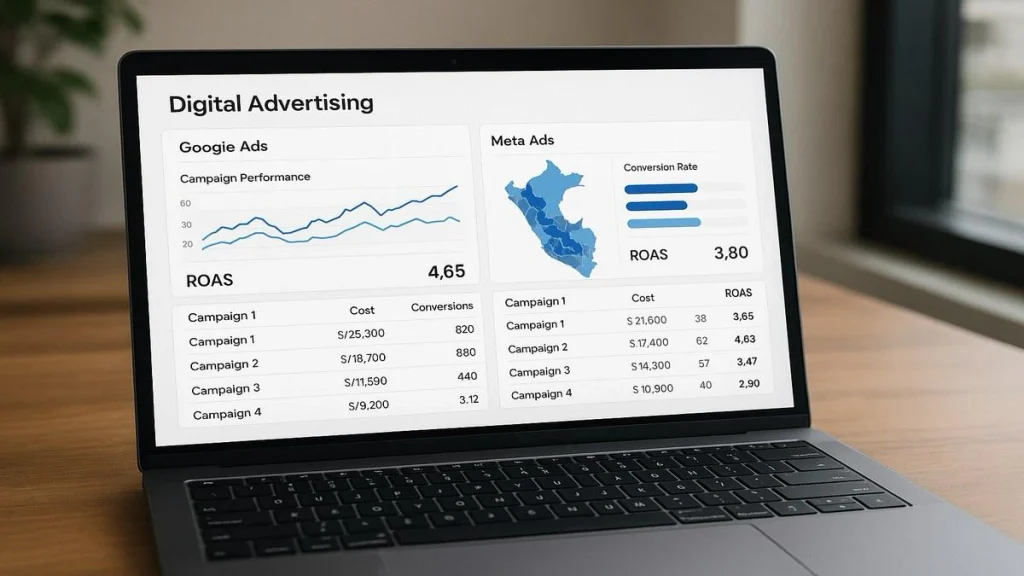
Introduction Google Ads vs. Meta Ads. Digital advertising has become an important part of growing a business online. Whether you own a small shop, run an online store, or provide professional services, paid advertising can help you reach potential customers. Two popular advertising platforms are Google Ads and Meta Ads. Both help businesses promote their products and services, but they work in different ways. Google Ads helps businesses connect with people searching for specific products or services, while Meta Ads allows businesses to reach audiences across platforms such as Facebook and Instagram. So, which platform is better for your business? Let’s explore the differences. What Are Google Ads? Google Ads is an online advertising platform that allows businesses to display advertisements across Google Search and other Google advertising placements. For example, when someone searches for “digital marketing agency in Malappuram,” relevant search ads may appear alongside organic search results. Benefits of Google Ads: Google Ads can be particularly useful for businesses that want to connect with people who already have an interest in a specific product or service. What Are Meta Ads? Meta Ads is an advertising platform used to create and manage paid campaigns across Facebook, Instagram, Messenger, and other eligible Meta placements. For example, a clothing boutique in Kerala can use Instagram ads to showcase its latest collection to audiences likely to be interested in its products. Benefits of Meta Ads: Meta Ads can be especially useful for visually appealing products, brand discovery, and reaching potential customers who may not yet be searching for your business. Google Ads vs. Meta Ads: Key Differences Feature Google Ads Meta Ads Main approach Reaches people through search intent and other placements Reaches audiences through targeting and social discovery Platforms Google Search, YouTube, and other Google placements Facebook, Instagram, and other Meta placements Best suited for Capturing existing demand Building awareness and creating interest Targeting Keywords, locations, audiences, and more, depending on campaign type Demographics, interests, behaviours, and other available audience options Ad formats Search ads, video ads, display ads, and more Image ads, video ads, carousel ads, Stories, and Reels Common goals Leads, calls, website traffic, and sales Awareness, engagement, leads, and sales Neither platform is automatically better for every business. Results depend on your audience, offer, competition, creative quality, landing page, and campaign setup. Which Platform Is Better for Your Business? Choose Google Ads if… Choose Meta Ads if… Can You Use Google Ads and Meta Ads Together? Yes! Using both platforms can support a broader digital marketing strategy. For example, a digital marketing agency in Malappuram could: The goal is not simply to get more clicks. It is to attract the right audience and turn suitable prospects into customers. Common Advertising Mistakes to Avoid Before investing in paid ads, avoid these mistakes: A well-planned campaign should focus on business outcomes, not just views and likes. Conclusion Google Ads and Meta Ads are both powerful digital advertising tools, but they serve different purposes. Google Ads can help your business reach people actively searching for products or services, while Meta Ads can help you build awareness, showcase your offerings, and create demand among relevant audiences. The right choice depends on your business goals, target customers, budget, and marketing strategy. For some businesses, starting with one platform makes sense; for others, combining both can be more effective. Want to grow your business online? Start by understanding your target audience, setting a clear advertising goal, and choosing the platform that best matches your customers’ behaviour.

Uncategorized

Why Local SEO Is Important for Small Businesses in Malappuram

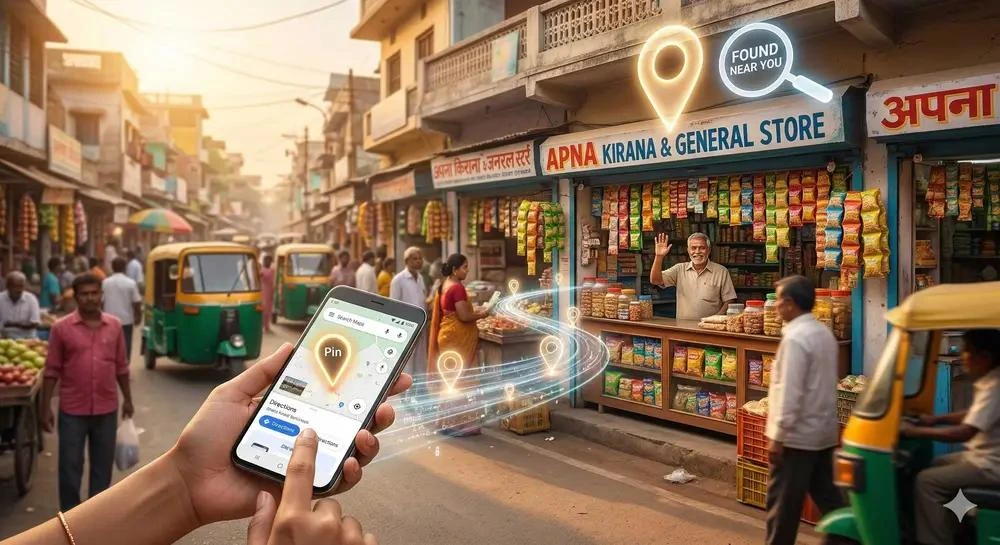
Introduction Why Local SEO Is Important for Small Businesses. Running a small business in Malappuram is becoming increasingly competitive. Whether you own a clothing shop, bakery, beauty salon, restaurant, or service-based business, reaching the right customers is essential for growth. Today, many customers search online before visiting a shop or choosing a service. They might search for “best bakery in Perinthalmanna,” “salon near me,” or “digital marketing services in Malappuram.” If your business is not visible in relevant local search results, you could miss opportunities to connect with potential customers. This is why Local SEO is an important part of digital marketing for small businesses. What Is Local SEO? Local SEO, or Local Search Engine Optimization, is the process of improving a business’s online presence to help it appear in relevant location-based searches on Google Search and Google Maps. For example, when someone searches for a restaurant in Malappuram, Google may display nearby restaurants, their locations, reviews, opening hours, and contact details. Local SEO helps businesses improve their chances of appearing in relevant searches by optimizing their Google Business Profile, website content, customer reviews, and local business information. 7 Reasons Why Local SEO Is Important for Small Businesses 1. Improves Online Visibility Local SEO helps your business become easier to discover when people search for relevant products or services in your area. Better visibility can introduce your business to potential customers who may not have heard about you before. 2. Reaches Nearby Customers Local searches often show that people are looking for something specific in a particular area. Optimizing your online presence helps your business connect with customers searching for services you genuinely offer nearby. 3. Builds Customer Trust Accurate business information, genuine reviews, updated photos, and professional responses help customers evaluate your business before contacting you or visiting your location. 4. Offers a Cost-Effective Marketing Opportunity Local SEO can improve organic visibility without requiring payment for every click. Although SEO takes time and effort, it can complement paid advertising and other marketing activities. 5. Encourages Calls and Enquiries A well-maintained business profile makes it easier for customers to find your phone number, website, location, and other useful information. This can support more enquiries and visits. 6. Helps Small Businesses Compete Locally Smaller businesses can strengthen their local presence by providing accurate information, useful website content, excellent service, and genuine customer reviews. Results still depend on competition, distance, and relevance. 7. Supports Long-Term Business Growth Consistent Local SEO efforts can build a stronger online presence over time. Tracking customer interactions and search performance also helps businesses make more informed marketing decisions. Which Small Businesses in Malappuram Can Benefit from Local SEO? Local SEO can be useful for many businesses, including: Businesses that serve customers in a defined geographical area can benefit from improving their local online presence. How Can Small Businesses Improve Their Local SEO? Here are some practical steps to get started. Local SEO vs. Paid Advertising Both strategies can support business growth, but they work differently. Local SEO Paid Advertising Focuses on organic local visibility Pays to display ads Usually requires consistent, ongoing effort Can generate visibility soon after a campaign launches Does not charge per organic click Costs depend on the campaign and ad interactions Results develop over time and are not guaranteed Visibility generally stops when the campaign ends or stops serving For many small businesses, combining Local SEO with a suitable advertising strategy can help balance long-term visibility with short-term promotional goals. Common Local SEO Mistakes Small Businesses Should Avoid Even small mistakes can weaken your local online presence. Avoid: A consistent, customer-focused approach is more sustainable than trying to manipulate search rankings. Conclusion Local SEO is a valuable digital marketing strategy for small businesses in Malappuram that want to improve their online visibility and connect with relevant nearby customers. By optimizing your Google Business Profile, using relevant local keywords, collecting genuine reviews, and maintaining a helpful website, you can make it easier for potential customers to discover your business. Local SEO does not guarantee instant results, but consistent optimization can help establish a stronger foundation for long-term online growth. Ready to improve your business’s local visibility? Start by reviewing your Google Business Profile and identifying the areas where your online presence needs improvement.

Uncategorized

How to Rank Your Business on Google Maps in Malappuram

How to Rank Your Business on Google Maps in Malappuram: 7 Powerful Local SEO Tips Introduction When people search for a nearby shop, restaurant, salon, or service provider on Google, they often check Google Maps before making a decision. If your business does not appear prominently in local search results, you may miss opportunities to attract potential customers. Learning how to rank your business on Google Maps in Malappuram can help you improve local visibility, build customer trust, and generate more enquiries. Whether your business is in Perinthalmanna, Manjeri, Tirur, or another part of Malappuram, optimising your Google Business Profile is an important step towards stronger local SEO. What Is Google Maps SEO? Google Maps SEO is the process of improving your business’s visibility in Google Maps and local search results. It involves optimising your Google Business Profile, maintaining accurate business information, earning genuine customer reviews, and building a trustworthy online presence. Google explains that local rankings mainly depend on three factors: relevance, distance, and prominence. These determine how well a business matches a search, how close it is to the searcher, and how well-known it is online and offline. Read Google’s local ranking guidelines. 1. Create and Optimise Your Google Business Profile Your Google Business Profile is one of the most important starting points for Google Maps SEO. To optimise your profile: For example, if you run a salon in Perinthalmanna, choose a category that accurately describes your salon rather than an unrelated category. A complete and accurate profile helps Google understand your business and match it with relevant searches. 2. Use Relevant Local Keywords Local keywords help you understand how potential customers search for businesses in your area. Examples include: Use relevant location-based keywords naturally in your website content, service pages, and business description where appropriate. Important: Do not repeatedly insert keywords into your business name if they are not part of its real-world name. Keyword stuffing can violate Google’s guidelines. 3. Get Genuine Google Reviews Customer reviews help potential customers evaluate your business and can contribute to local prominence. Encourage satisfied customers to leave honest reviews about their experiences. You can share your Google review link after a purchase or completed service. To manage reviews effectively: Consistent, genuine customer feedback can help build credibility and support your local SEO efforts. 4. Add High-Quality Photos and Videos Photos help customers understand what your business offers before visiting or contacting you. Upload genuine, clear images of: For example, a boutique in Malappuram can showcase its collections, while a restaurant can display its menu items and dining space. Keep your photos accurate and up to date so customers know what to expect. 5. Keep Your Business Information Consistent Your business name, address, phone number, and website details should be accurate wherever your business is listed online. Check your website, social media profiles, and relevant business directories for outdated information. Correct any inconsistencies you find. If your business has a physical location customers can visit, provide the accurate address. If you travel to customers, configure your service area appropriately. Do not create fake locations or use an address where your business is not eligible to maintain a profile. 6. Build a Website with Local SEO A professional website can support your Google Maps visibility by helping customers learn more about your business and services. For better local SEO: For example, a digital marketer could publish a helpful page about digital marketing services in Malappuram, explaining the services offered and how local businesses can benefit. 7. Monitor Your Google Business Profile Performance SEO takes time, so monitor your results instead of relying only on your position in a single search. Use the performance information available in your Google Business Profile to review relevant customer interactions, such as calls, website clicks, and direction requests. You can also check how your website performs using Google Search Console. Review your progress regularly and improve your profile and website based on what customers are searching for and which services generate enquiries. Common Google Maps SEO Mistakes to Avoid Avoid these mistakes when optimising your business: Google does not offer a way to request or pay for better organic local rankings. Optimisation improves your chances of being discovered, but no strategy can guarantee the number-one position. Conclusion Ranking your business on Google Maps in Malappuram requires a well-maintained Google Business Profile, accurate business information, genuine customer reviews, relevant local content, and consistent effort. By following these seven local SEO tips, you can help potential customers discover your business, understand your services, and contact you more easily. Start with the basics, monitor your performance, and keep improving your online presence. Over time, these efforts can support your business’s local visibility and long-term growth.

Uncategorized

What Is Local SEO? A Complete Guide for Businesses in Kerala

Introduction What Is Local SEO? Discover how Local SEO improves Google rankings, attracts nearby customers, boosts online visibility, and helps your local business grow.In today’s digital world, customers often search on Google before choosing a nearby shop, restaurant, salon, or service provider. When someone searches for “best bakery near me” or “digital marketing agency in Malappuram,” businesses with strong local online visibility have a better chance of being discovered. This is where Local SEO (Local Search Engine Optimization) becomes important. It helps businesses improve their visibility in location-based search results and connect with potential customers in their service areas. Whether you run a small shop in Perinthalmanna, a restaurant in Malappuram, or a service-based business anywhere in Kerala, Local SEO can help you reach the right audience. What Is Local SEO? Local SEO is the process of optimizing a business’s online presence to improve its visibility in search results for location-specific searches. For example, when a person searches for “salon in Perinthalmanna,” Google may show relevant salons, their locations on Google Maps, customer reviews, contact details, and opening hours. Local SEO helps businesses improve their chances of appearing in these results by maintaining accurate business information, optimizing their website, collecting genuine customer reviews, and building local relevance. Why Is Local SEO Important for Businesses in Kerala? Kerala has a wide range of small businesses, including retail shops, restaurants, clinics, beauty salons, educational institutions, and digital marketing agencies. Local SEO can help these businesses connect with people searching for their products and services. Its main benefits include: How Does Local SEO Work? Google considers several factors when determining local search results. Three major factors are: Businesses cannot control every ranking factor, but they can improve their online presence by providing accurate information and creating a trustworthy, useful customer experience. 7 Effective Local SEO Strategies for Businesses in Kerala 1. Optimize Your Google Business Profile Create or claim your Google Business Profile and verify it when eligible. Add your correct business name, address or service area, phone number, opening hours, services, and high-quality photos. Keep the information updated. 2. Use Local Keywords Include relevant location-based keywords naturally in your website content. Examples include “digital marketing services in Malappuram,” “best bakery in Perinthalmanna,” and “salon in Manjeri.” 3. Collect Genuine Customer Reviews Encourage satisfied customers to share honest reviews. Respond professionally to both positive and negative feedback. Never purchase fake reviews or offer incentives in exchange for positive ratings. 4. Create Location-Specific Website Content Develop useful pages for the locations you genuinely serve. Include relevant services, local information, contact details, and clear calls to action. Avoid creating multiple nearly identical pages just to target different towns. 5. Maintain Consistent Business Information Keep your business name, address, and phone number accurate across your website, Google Business Profile, and relevant directories. 6. Optimize for Mobile Users Make sure your website loads quickly, displays correctly on mobile devices, and makes important information easy to find. Many local searches happen on smartphones. 7. Track Your Local SEO Performance Use Google Search Console and the performance data available in your Google Business Profile to monitor visibility, search queries, website clicks, calls, and other available interactions. Common Local SEO Mistakes to Avoid Many businesses miss opportunities because of simple mistakes, such as: Avoiding these mistakes can help create a stronger foundation for local search visibility. Who Needs Local SEO? Local SEO can be useful for many types of businesses in Kerala, including: Any business that serves customers in a particular geographical area can potentially benefit from a well-planned Local SEO strategy. How Long Does Local SEO Take to Show Results? Local SEO is a long-term process. Some improvements, such as correcting business information, can be made immediately, but changes in rankings, visibility, and customer enquiries may take weeks or months. The timeline depends on competition, the business’s existing online presence, location, website quality, and the consistency of optimization efforts. No ethical SEO professional can guarantee a specific ranking or an exact timeline. Conclusion Local SEO is an important part of digital marketing for businesses that want to reach customers in their surrounding areas. By optimizing your Google Business Profile, targeting relevant local keywords, collecting genuine reviews, and maintaining a useful website, you can strengthen your online presence and make it easier for potential customers to discover your business. For businesses in Malappuram, Perinthalmanna, and other parts of Kerala, investing in Local SEO can be a valuable step towards sustainable online growth. Want to improve your business’s local online visibility? Start by reviewing your current online presence and identifying the areas that need improvement.

Uncategorized

Why Your Business Needs a Website and SEO in Kerala

Why Your Business Needs a Website and SEO in Kerala When customers search online for a product or service, they often compare different businesses before making a decision. A professional website and an effective search engine optimization strategy can help your business become easier to discover online. What Is SEO? Search Engine Optimization, or SEO, involves improving your website so that search engines can better understand its content and potentially show it for relevant searches. For example, a business serving Malappuram may create useful pages targeting relevant searches such as digital marketing services in Malappuram or website development in Malappuram. Benefits of Having a Business Website Professional online presence: A website gives customers a central place to learn about your business. Service information: Explain what you offer, your experience, and how customers can contact you. Customer enquiries: Add contact forms, phone numbers, WhatsApp links, and clear calls to action. Better brand credibility: A well-designed website can help customers understand your business and services. How Local SEO Helps Businesses Local SEO focuses on improving visibility for searches related to a business’s location. Here are some practical steps: Is SEO Better Than Paid Advertising? SEO and paid advertising serve different purposes. SEO can support long-term organic visibility, while paid advertising can help you reach selected audiences and generate traffic more quickly when campaigns are well managed. Many businesses benefit from combining both strategies according to their objectives and budget. Conclusion A website and a well-planned SEO strategy can help businesses in Kerala strengthen their digital presence. By creating useful content and making your services easy to find, you can build a stronger foundation for attracting potential customers.

Uncategorized

How Social Media Marketing Helps Local Businesses in Malappuram

How Social Media Marketing Helps Local Businesses in Malappuram How Social Media Marketing Helps Local Businesses in Malappuram Introduction In today’s digital world, social media has become an essential tool for business growth. From small shops and boutiques to restaurants, salons, and service providers, local businesses in Malappuram can use social media to reach more customers and build a strong online presence. Social media marketing for local businesses in Malappuram helps businesses connect with their target audience, promote their products and services, and increase brand awareness. With the right strategy, platforms like Instagram, Facebook, and WhatsApp can help local businesses attract potential customers and grow their sales. 1. Increases Local Brand Awareness Social media helps local businesses introduce their brands to people in their surrounding areas. By sharing engaging posts, reels, stories, and promotional offers, businesses can reach more potential customers in Malappuram. For example, a boutique in Perinthalmanna can showcase its latest collections on Instagram and attract customers from nearby locations. 2. Reaches the Right Audience Social media platforms offer targeting options that help businesses connect with specific audiences based on location, interests, and behaviour. A restaurant in Malappuram can use Facebook and Instagram ads to promote special offers to people nearby. This helps businesses reach relevant customers instead of spending money on a broad audience. 3. Builds Customer Trust Customers often check social media profiles before choosing a business. Regular updates, customer reviews, testimonials, product photos, and behind-the-scenes content can help build trust. When a business shares useful and authentic content, customers are more likely to engage with the brand and consider its products or services. 4. Promotes Products and Services Social media provides an affordable way to showcase products, announce new arrivals, and promote special offers. Local businesses can use Instagram Reels, Facebook posts, and WhatsApp Status to share product demonstrations, service details, discounts, and customer experiences. For example, a beauty salon in Malappuram can post before-and-after transformations, service information, and seasonal offers to attract potential customers. 5. Supports Local Business Growth Social media marketing helps businesses communicate directly with customers through comments, messages, and WhatsApp enquiries. Quick responses and helpful communication can turn interested people into customers. Combining social media marketing with a well-optimised Google Business Profile and local SEO can also help businesses improve their visibility when people search online for nearby products and services. 6. Offers Affordable Marketing Opportunities Traditional advertising can be expensive for small businesses. Social media allows businesses to start with organic content and gradually invest in paid advertising when needed. Even with a limited budget, businesses can create useful content, engage with followers, and test targeted advertising campaigns to understand what works best. Best Social Media Platforms for Local Businesses in Malappuram The best platform depends on the business type, target audience, and marketing goals. Tips for Successful Social Media Marketing Here are some practical tips for local businesses in Malappuram: Conclusion Social media marketing offers local businesses in Malappuram an effective way to increase brand awareness, connect with potential customers, and promote their products and services. With consistent content, local audience targeting, and a clear strategy, businesses can build stronger customer relationships and support long-term growth. Whether you run a boutique, restaurant, salon, retail shop, or service-based business, investing in social media marketing can help you compete in today’s digital marketplace. Want to grow your business online? Start building a strong social media presence with a strategy that matches your business goals and target audience.

Scroll to Top