Introduction
Google Ads vs. Meta Ads.
Digital advertising has become an important part of growing a business online. Whether you own a small shop, run an online store, or provide professional services, paid advertising can help you reach potential customers.
Two popular advertising platforms are Google Ads and Meta Ads. Both help businesses promote their products and services, but they work in different ways.
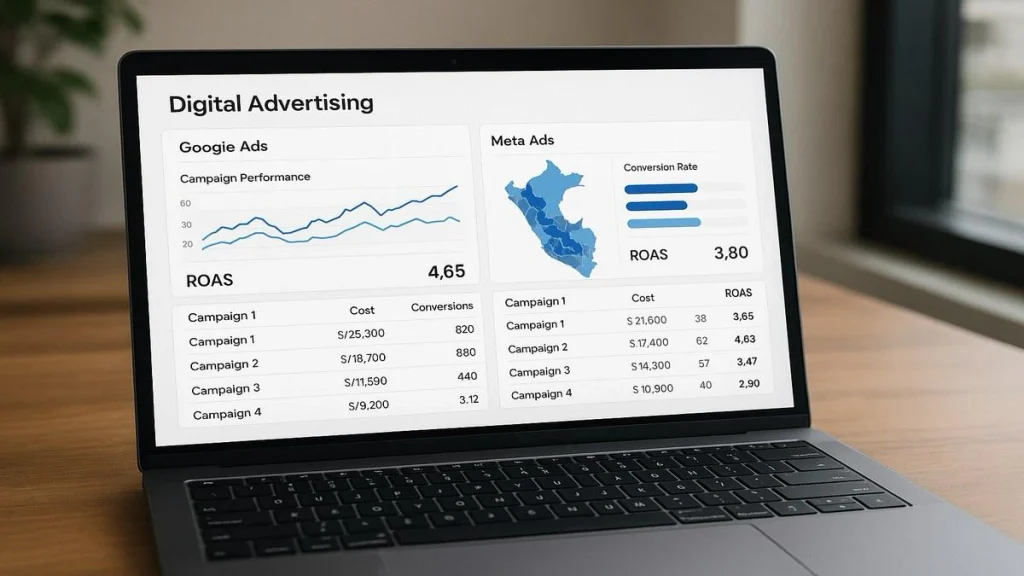
Google Ads helps businesses connect with people searching for specific products or services, while Meta Ads allows businesses to reach audiences across platforms such as Facebook and Instagram.
So, which platform is better for your business? Let’s explore the differences.
What Are Google Ads?
Google Ads is an online advertising platform that allows businesses to display advertisements across Google Search and other Google advertising placements.
For example, when someone searches for “digital marketing agency in Malappuram,” relevant search ads may appear alongside organic search results.
Benefits of Google Ads:
- Reach people actively searching for your products or services.
- Target relevant keywords and locations.
- Generate website visits, calls, and enquiries.
- Track campaign performance and conversions.
- Choose from different campaign types to suit your goals.
Google Ads can be particularly useful for businesses that want to connect with people who already have an interest in a specific product or service.
What Are Meta Ads?
Meta Ads is an advertising platform used to create and manage paid campaigns across Facebook, Instagram, Messenger, and other eligible Meta placements.
For example, a clothing boutique in Kerala can use Instagram ads to showcase its latest collection to audiences likely to be interested in its products.
Benefits of Meta Ads:
- Reach audiences based on available targeting options.
- Promote products through images, videos, Stories, and Reels.
- Build brand awareness and engagement.
- Generate leads and sales.
- Retarget eligible audiences who have previously interacted with your business.
Meta Ads can be especially useful for visually appealing products, brand discovery, and reaching potential customers who may not yet be searching for your business.
Google Ads vs. Meta Ads: Key Differences
| Feature | Google Ads | Meta Ads |
|---|---|---|
| Main approach | Reaches people through search intent and other placements | Reaches audiences through targeting and social discovery |
| Platforms | Google Search, YouTube, and other Google placements | Facebook, Instagram, and other Meta placements |
| Best suited for | Capturing existing demand | Building awareness and creating interest |
| Targeting | Keywords, locations, audiences, and more, depending on campaign type | Demographics, interests, behaviours, and other available audience options |
| Ad formats | Search ads, video ads, display ads, and more | Image ads, video ads, carousel ads, Stories, and Reels |
| Common goals | Leads, calls, website traffic, and sales | Awareness, engagement, leads, and sales |
Neither platform is automatically better for every business. Results depend on your audience, offer, competition, creative quality, landing page, and campaign setup.
Which Platform Is Better for Your Business?

Choose Google Ads if…
- Customers already search for your service online.
- You want to target specific search terms.
- Your business depends on enquiries or calls.
- You want to reach people with a clear purchase intention.

Choose Meta Ads if…
- You want to introduce your brand to new audiences.
- Your products are visually appealing.
- You want to promote Instagram Reels, Stories, or product videos.
- You want to build interest and generate leads through social platforms.
Can You Use Google Ads and Meta Ads Together?
Yes! Using both platforms can support a broader digital marketing strategy.
For example, a digital marketing agency in Malappuram could:
- Use Meta Ads to introduce its services to local business owners.
- Use Google Ads to reach people actively searching for digital marketing services.
- Direct both audiences to a relevant landing page.
- Track enquiries and sales to understand which campaigns perform best.
- Adjust budgets based on measurable results.
The goal is not simply to get more clicks. It is to attract the right audience and turn suitable prospects into customers.
Common Advertising Mistakes to Avoid
Before investing in paid ads, avoid these mistakes:
- Running ads without a clear objective.
- Targeting an audience that is too broad or irrelevant.
- Using weak creatives or unclear messaging.
- Sending visitors to an unrelated or confusing landing page.
- Failing to track conversions.
- Expecting immediate sales without testing and optimization.
- Choosing a platform based only on low cost per click.
A well-planned campaign should focus on business outcomes, not just views and likes.
Conclusion
Google Ads and Meta Ads are both powerful digital advertising tools, but they serve different purposes.
Google Ads can help your business reach people actively searching for products or services, while Meta Ads can help you build awareness, showcase your offerings, and create demand among relevant audiences.
The right choice depends on your business goals, target customers, budget, and marketing strategy. For some businesses, starting with one platform makes sense; for others, combining both can be more effective.
Want to grow your business online? Start by understanding your target audience, setting a clear advertising goal, and choosing the platform that best matches your customers’ behaviour.